
Trade, Regulation & Policy
US seeks to back X in challenge to €120m EU fine
Washington wants to intervene in X’s appeal against an EU digital rules penalty, bringing regulatory jurisdiction into focus for US technology businesses.
26 Sept

The daily brief on companies, capital and policy moving into the UK and Europe.
Estonia’s armed forces and venture investor Archangel will connect defence needs with founders and capital, with scope for companies to develop and test technology.

By Eleanor Marsh, Editor · London
24 September 2026 · Reported from Tech.eu
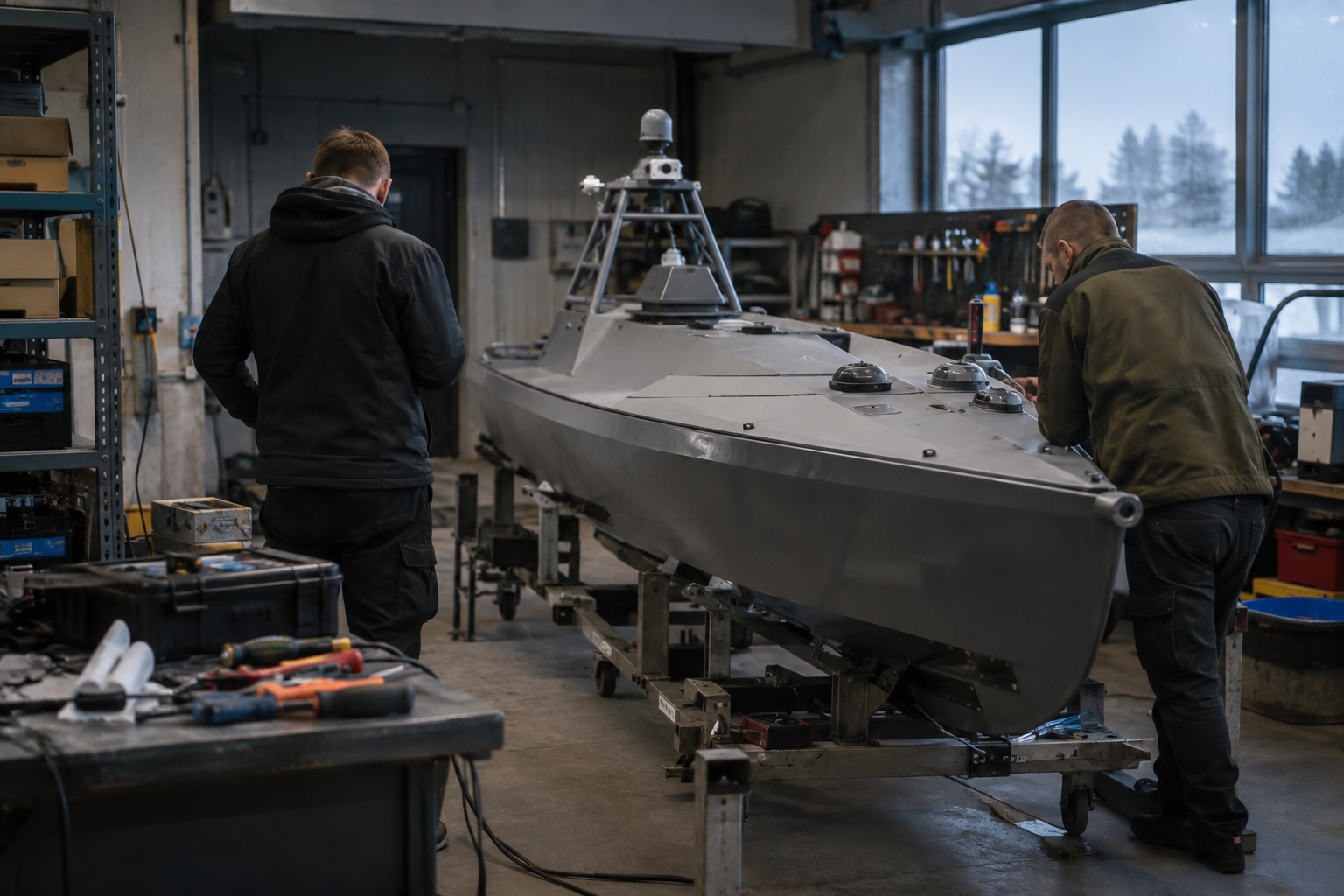
Defence technology companies in Estonia and the wider Baltic region are the focus of a three-year agreement between the Estonian Defence Forces (EDF) and venture capital firm Archangel, Tech.eu reports. The partnership brings a military organisation and an early-stage investor together to help the region’s defence industry grow.
Major Ivo Peets, who commands the EDF’s Force Transformation Command, signed the agreement alongside Archangel founder and managing partner Nicholas Nelson at the ABCD Conference, according to Tech.eu.
The arrangement centres on improving how military personnel, technology businesses and investors share information and build relationships. Its intended reach extends beyond developing new products: the partners also want to help relevant technologies move towards use, Tech.eu reports.
Established in 2025, Archangel targets founders building businesses specifically for defence in Britain, the Baltic states and the Nordic countries. Tech.eu describes an investment model that combines funding with specialist knowledge and introductions to organisations working across defence and technology.
Archangel’s investments include Kraken Technology Group, a developer of maritime vehicles that operate without crews, and Labrys Technologies. Labrys’s Axiom platform enables organisations to check identities, organise dispersed teams and handle their payments securely when working conditions are difficult, according to Tech.eu.
Two other portfolio companies address defence software. Germany’s Project Q is building a platform it calls the Internet of Defence, while LYSK develops software for hostile settings, covering work from tactical operations through to strategic decisions, Tech.eu reports.
Artificial intelligence is represented by Offset Labs, a UK-Ukrainian business developing models for military and national security applications. Tech.eu also names Sky Spy as an Archangel investment, describing it as a defence technology developer without giving further product details.
Peets presented collaboration with industry as a way to establish a common view of military requirements, technical possibilities and commercial opportunities. In comments reported by Tech.eu, he welcomed the prospect of bringing innovation and investment into closer alignment with the development of military capabilities.
Nelson placed the agreement within Archangel’s ambition to help build Europe’s defence technology sector. His comments to Tech.eu emphasised the value of direct contact with armed forces: understanding the people who will use a product can help the investor support businesses as they develop and grow.
Archangel’s practical role will include engaging with Baltic defence technology businesses and considering investment opportunities, according to Tech.eu. The EDF will provide a military perspective on operational requirements and the direction of technology development. That gives the two organisations distinct contributions: one brings an investment network, the other knowledge of defence demand.
The partners will also seek suitable opportunities for businesses to develop and test their technology in Estonia. That commitment is conditional rather than a promise of testing access for every company. For a founder exploring the Baltic market, the relevant prospect is a setting in which product development could be informed by military requirements.
Tech.eu’s report does not specify an application process, individual testing dates, an investment allocation or procurement commitments. British and other European companies assessing the partnership should therefore distinguish the announced cooperation from a funded programme or a route to a guaranteed military order.
For British and other European defence founders, the agreement offers a potential connection between investment networks and the military requirements that shape product development. Estonia could also provide a setting for suitable development and testing work. The commercial distinction matters: closer contact with users can help companies assess whether their technology fits a market, but it is not the same as procurement access. Tech.eu’s report announces neither guaranteed orders nor a dedicated funding allocation.
Source
Original reporting by Tech.eu. This report was written independently for Market Entry Wire.
Washington wants to intervene in X’s appeal against an EU digital rules penalty, bringing regulatory jurisdiction into focus for US technology businesses.
26 Sept

The British AI cloud company has secured funding led by Third Point as it develops data centre campuses in Norway and West Virginia, TechCrunch reports.
26 Sept

The National University of Singapore’s venture arm is expanding into Europe with UnternehmerTUM and has launched AI software to help research find commercial buyers.
26 Sept

The enhanced agreement sets out new rules for staff transfers, digital trade and market access, with UK services exports forecast to rise by £5.2bn annually in the long run.
26 Sept