Brussels puts energy security behind its electric car push
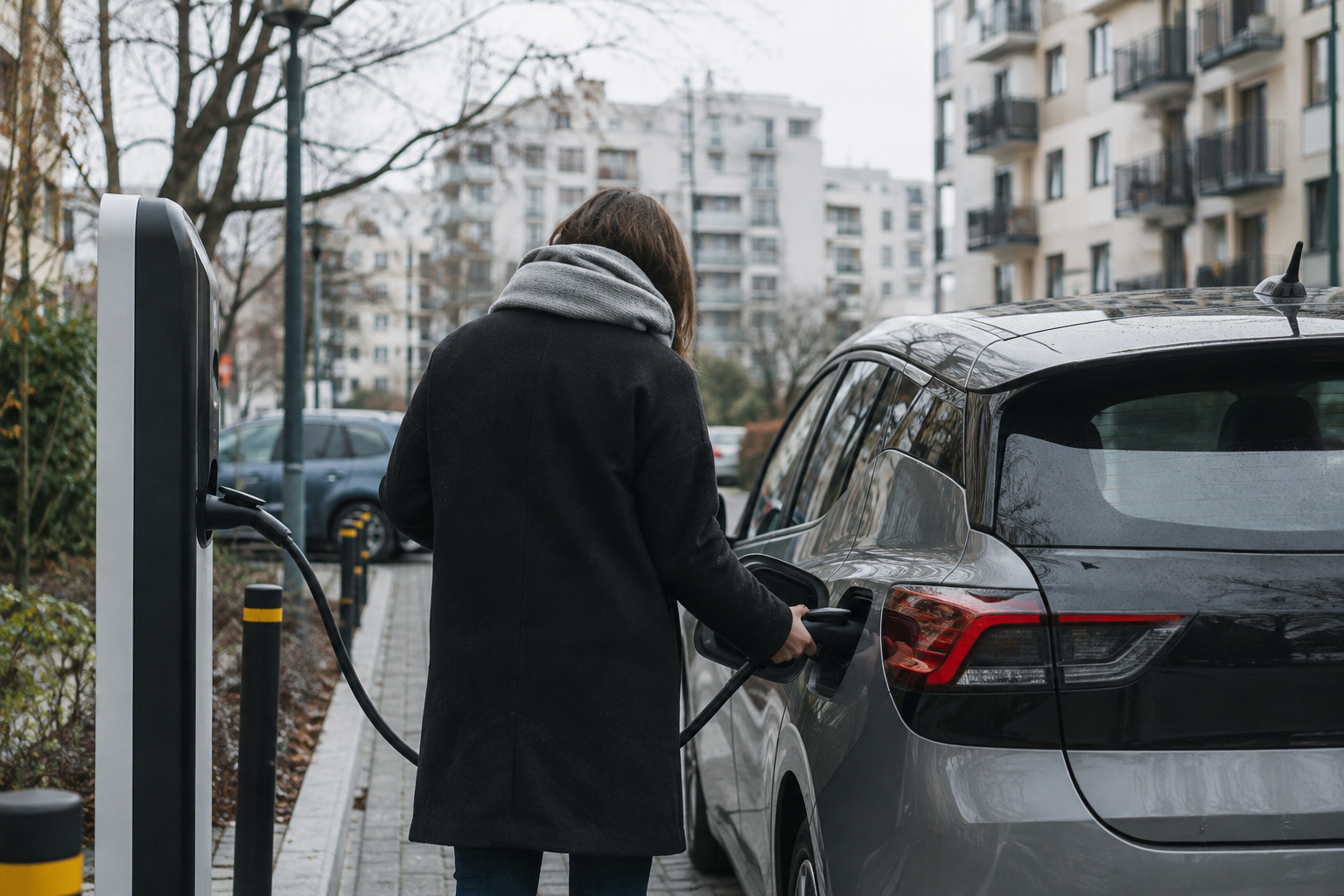
The European Commission is making reduced reliance on foreign fuel a central argument for electric cars, while national subsidy decisions are pulling European markets in different directions. According to Emerging Europe, the Commission’s Electrification Action Plan, published on 17 July, estimates that electrification could reduce the EU’s annual fossil fuel import bill by €260bn by 2040. That projection covers electrification broadly, rather than electric vehicles alone.
The Commission also estimates that driving a battery-electric car can cost up to 78 per cent less than using a comparable combustion-engine vehicle, Emerging Europe reports. In June, the Commission said expensive oil was supporting electric car demand and estimated that EVs were already reducing EU oil consumption by 140,000 barrels a day.
The exposure is substantial: imports supplied 96.6 per cent of the EU’s oil and petroleum products in 2024. European refineries process crude into transport fuels, but their overseas supply chains leave the bloc exposed to decisions and disruptions beyond its control, according to Emerging Europe.
Recent price movements underline that vulnerability. Emerging Europe reports that Brent averaged more than $120 a barrel in June 2022, following Russia’s full-scale invasion of Ukraine. In March 2026, severe disruption to shipping through the Strait of Hormuz drove a 65 per cent monthly increase, described as the largest in World Bank records. By mid-September, oil was around $107 a barrel, over 50 per cent higher than a year earlier.
Yet electric car uptake remains uneven. Emerging Europe reports that battery-electric vehicles account for 20.7 per cent of new EU registrations. Germany recorded a 48 per cent increase in battery-electric registrations in the first half of the year, while Poland registered 20,926 between January and August, down 2.1 per cent. Poland’s August registrations fell by a third, marking a fourth consecutive monthly decline.
Subsidies and carbon costs divide European markets
The security case rests partly on electricity’s flexibility. European grids draw on wind, solar, nuclear, hydro, gas and coal, allowing an electric vehicle’s energy supply to change without replacing the vehicle. Conventional petrol and diesel cars cannot switch between those fuels in the same way, Emerging Europe explains.
Poland illustrates how policy can alter the financial calculation for buyers. According to Emerging Europe, Donald Tusk’s government reduced fuel VAT to eight per cent and capped pump prices until 31 August. Tusk had promised petrol at 5.19 złoty a litre while in opposition; the outlet puts the current price at almost eight złoty.
Support for electric purchases moved in the opposite direction. Poland’s NaszEauto programme, financed through the country’s allocation from the EU recovery fund, exhausted its funding in January and stopped accepting applications in April, Emerging Europe reports. The withdrawal removed a purchase incentive while government intervention was helping contain petrol and diesel costs.
Carbon pricing adds another difference between the two forms of transport. Emerging Europe puts the cost of EU Emissions Trading System allowances at around €88 per tonne of carbon dioxide emitted by power stations. That applies whether coal is imported or mined domestically and feeds into electricity costs, including the energy used to charge vehicles. Petrol and diesel face substantial taxes, but road fuels are not yet covered by EU carbon pricing.
The domestic energy position also varies sharply. Poland produced 97 per cent of the EU’s hard coal in 2025, while Germany consumes close to half of the bloc’s lignite, according to Emerging Europe. Lignite is also mined in Poland, Czechia, Bulgaria, Romania and Greece. Coal nevertheless supplied only 9.2 per cent of EU electricity in 2025, making the pace and cost of its decline particularly important for the countries still dependent on it.
Buyers favour affordability over climate messaging
Consumer surveys suggest the industry still faces a persuasion challenge. Emerging Europe cites a YouGov poll commissioned by automotive suppliers’ association CLEPA covering 5,221 adults in Germany, France, Spain, Italy and Poland. Only eight per cent chose a fully electric vehicle as their preferred next car. The sample included people who were not planning a purchase, so the result is not a measure solely of active buyers.
A separate Bloomberg Intelligence survey in 2024 found that 18 per cent of prospective buyers across five major European markets, including Britain, preferred a battery-electric car. According to Emerging Europe, 68 per cent wanted the 2035 deadline for ending new petrol and diesel car sales postponed or abandoned. The surveys cover different populations and should not be treated as a single trend series.
Miłosz Manasterski, the Warsaw-based journalist, political economy analyst and chief executive of Polish news agency Agencja Informacyjna, argues in Emerging Europe that policymakers should give greater prominence to household costs, convenience and security. His position is that a campaign built mainly around emissions requirements and restrictions has failed to make the practical benefits sufficiently compelling.
Poland’s automotive industry association attributes the country’s registration decline principally to the end of purchase subsidies, Emerging Europe reports. The policy direction appears settled for now: Poland’s deputy climate minister has said there will be no replacement for NaszEauto. That leaves manufacturers and retailers without a successor national scheme to incorporate into their sales offers.
The climate argument remains relevant even in coal-dependent markets. Emerging Europe cites campaign group Transport & Environment’s estimate that an electric car using a Chinese-made battery and charged on Poland’s grid produces 37 per cent fewer lifetime carbon emissions than a petrol car. The estimate addresses lifecycle emissions, rather than exhaust emissions alone.
Grants and the 2028 carbon deadline shape expansion plans
Germany and Britain offer contrasting purchase-support conditions for businesses assessing European expansion. Emerging Europe reports that qualifying German cars registered from 1 January are eligible for grants of up to €6,000. Britain’s Electric Car Grant provides up to £3,750 towards a new EV. For manufacturers and dealers, those differences make country-specific affordability calculations more useful than a single European pricing assumption.
There is no common EU-wide electric car purchase grant, according to Emerging Europe. The Social Climate Fund can finance social leasing and related assistance, but national governments determine whether drivers receive support. Companies considering new markets therefore need to distinguish between funding available at EU level and schemes actually accessible to local customers.
Two policy milestones add uncertainty to longer-term planning. Emerging Europe reports that EU carbon pricing for road fuels has been delayed until 2028. Separately, the Commission proposed in December 2025 reducing the planned 2035 exhaust-emissions cut from 100 per cent to 90 per cent. The latter remains a proposal in the source material, not an enacted replacement target.
For companies entering the UK or Europe, these differences favour testing demand against local grants, charging costs and the durability of public support before committing to sales forecasts. Oil volatility also adds an energy-cost variable alongside the currency risks facing international expansion plans. Neither should be treated as a fixed assumption when comparing the economics of electric and combustion-engine vehicles.