Retail & Consumer Brand Expansion
Lidl owner reportedly readies Czech and Slovak Tesco bid
Schwarz Group is reportedly preparing an offer as Tesco pursues a Central European sale covering a division with £4.5bn in annual revenue.
27 Sept

The daily brief on companies, capital and policy moving into the UK and Europe.
Aldi is backing UK expansion after sales reached £19bn, while its chief executive challenges rivals’ loyalty pricing despite watchdog findings of genuine savings.

By Marcus Doyle, North America Correspondent · Toronto
28 September 2026 · Reported from BBC Business
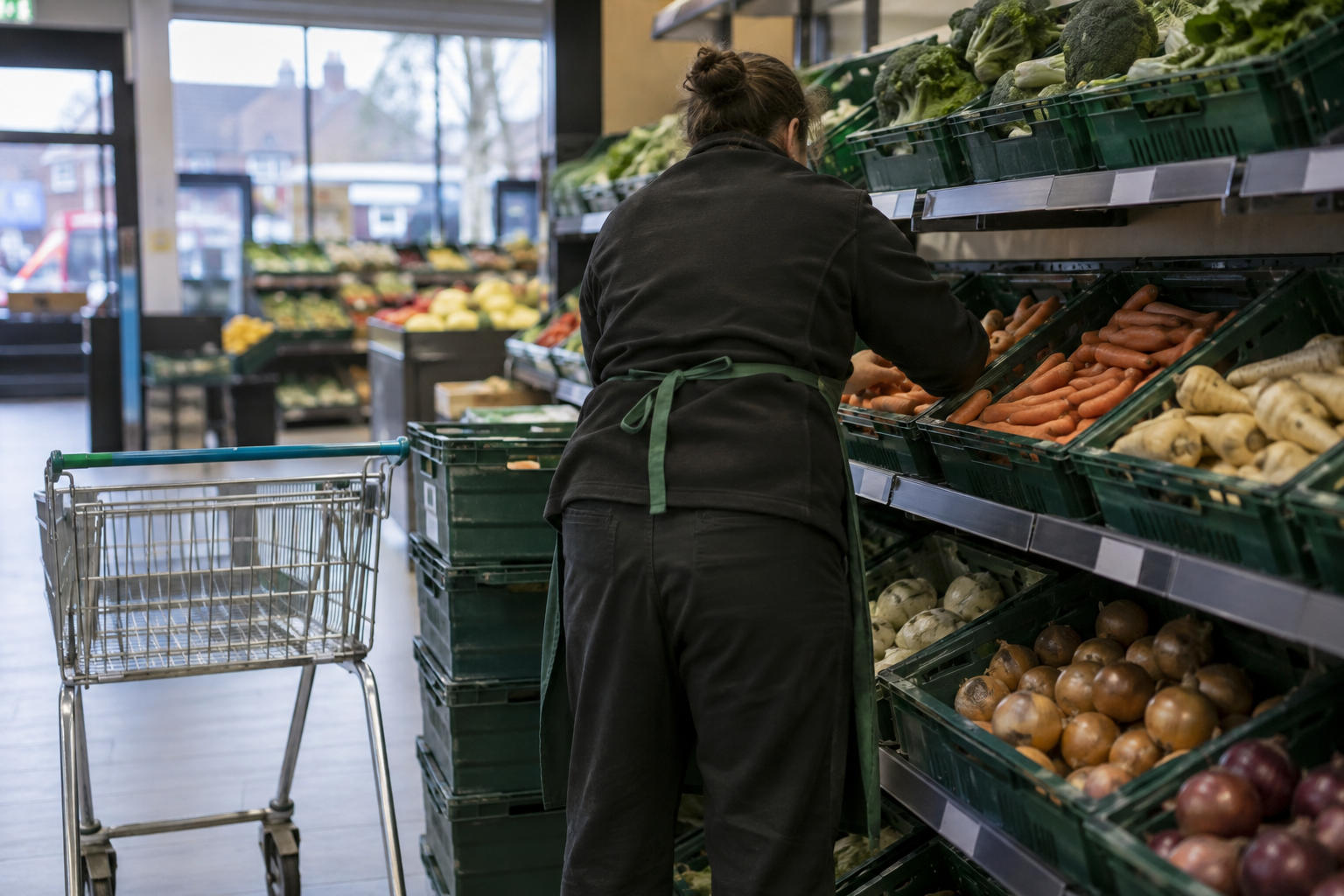
Aldi plans to open 40 UK stores next year under a £900m investment programme, BBC Business reports. The German-owned supermarket chain is committing to a larger physical footprint while its chief executive, Giles Hurley, challenges the value of some competitors’ loyalty discounts.
The expansion announcement accompanied a 5% increase in Aldi’s sales to £19bn for 2025 compared with 2024. Operating profit edged down over the same period, according to BBC Business. Aldi attributed the decline to higher employee pay and spending on infrastructure and prices, putting the cost of supporting growth alongside the benefit of increased sales.
Aldi also said it had spent £340m on price reductions this year, BBC Business reported. That spending gives a financial measure of the retailer’s effort to compete on shelf prices rather than discounts reserved for loyalty members.
Aldi is the only major supermarket chain without a loyalty scheme, according to BBC Business. Millions of shoppers use such programmes elsewhere, making the distinction a significant part of how Aldi competes with other large grocery retailers in the UK.
The UK competition watchdog examined supermarket loyalty pricing in 2024 and found that shoppers received genuine savings in almost every case, BBC Business reported. That conclusion is important context for Hurley’s criticism: his allegations about some promotions are not a regulatory finding that loyalty pricing generally misleads customers.
Competition between discount chains and established supermarkets also has a European dimension. Market Entry Wire has separately covered reports that Lidl’s owner is preparing a Czech and Slovak Tesco bid, another potential move in the contest for grocery customers beyond Britain.
Hurley argued that some competitors set excessively high starting prices before offering reductions that still leave shoppers with an uncompetitive deal, BBC Business reported. He accepted that promotions can be useful when the savings are credible, but said misleading reductions make household budgeting harder. BBC Business noted that he has criticised discount schemes before.
Hurley also said Aldi continued to attract new shoppers despite intense competition. He claimed it was the only retailer where a weekly grocery basket cost less this summer than the previous summer, according to BBC Business. This was Aldi’s position rather than an independently established price comparison in the supplied reporting.
Retail consultant Ged Futter, a former Asda buyer, offered a different explanation for the intervention. Speaking to BBC Business, he described Hurley’s criticism as an attempt to divert attention from pressure on Aldi’s UK business. Futter said the chain’s rapid rise had slowed about two years earlier and that its growth now trailed the main supermarket group.
Beyond the planned openings, Aldi intends to extend long-term agreements with British suppliers, BBC Business reported. For domestic producers, those arrangements are a separate opportunity from the retailer’s property expansion: the stated plan covers sourcing relationships as well as additional places to sell groceries.
Hurley linked the supplier strategy to weaknesses in food supply chains exposed by recent droughts and international events. According to BBC Business, he argued that increasing domestic production should become a national strategic priority to limit the UK’s exposure to disruptions that can drive up food prices.
For businesses planning a UK grocery launch, the sourcing commitment makes supplier access an important question alongside store coverage. A growing retail network does not, by itself, establish a route onto shelves; Aldi’s stated emphasis on longer-term British relationships points to the need to assess sourcing priorities before treating expansion announcements as immediate listing opportunities.
Aldi’s plans give companies entering UK grocery a concrete expansion programme to assess, but not a guarantee of easier market access. Additional stores could create opportunities for suppliers, while the commitment to British sourcing makes production location and supply reliability relevant considerations. For competing retailers, the combination of store investment and price reductions highlights the resources needed to build a presence. The slight profit decline also shows why sales growth alone is an incomplete measure of expansion performance.
Source
Original reporting by BBC Business. This report was written independently for Market Entry Wire.
Schwarz Group is reportedly preparing an offer as Tesco pursues a Central European sale covering a division with £4.5bn in annual revenue.
27 Sept

Boots will open a TikTok Shop pilot with selected beauty ranges, using THG Ingenuity to support its entry into the social commerce channel.
25 Sept

The camera maker has opened its first flagship outside Asia in Times Square after shipping more than 10 million cameras worldwide, with Munich in its expansion plans.
23 Sept

The UK healthcare AI company will build on adoption by more than 200 GP practices, with secondary care and mental health services next.
29 Sept

Vilnius-based Axiology is among four platforms using the Eurosystem’s new Pontes service, giving digital securities customers a central bank money settlement option.
29 Sept

The undisclosed deal would bring PEAK AIO’s AI storage technology into NetApp, with founder Mark Klarzynski pointing to the US group’s global reach.
29 Sept
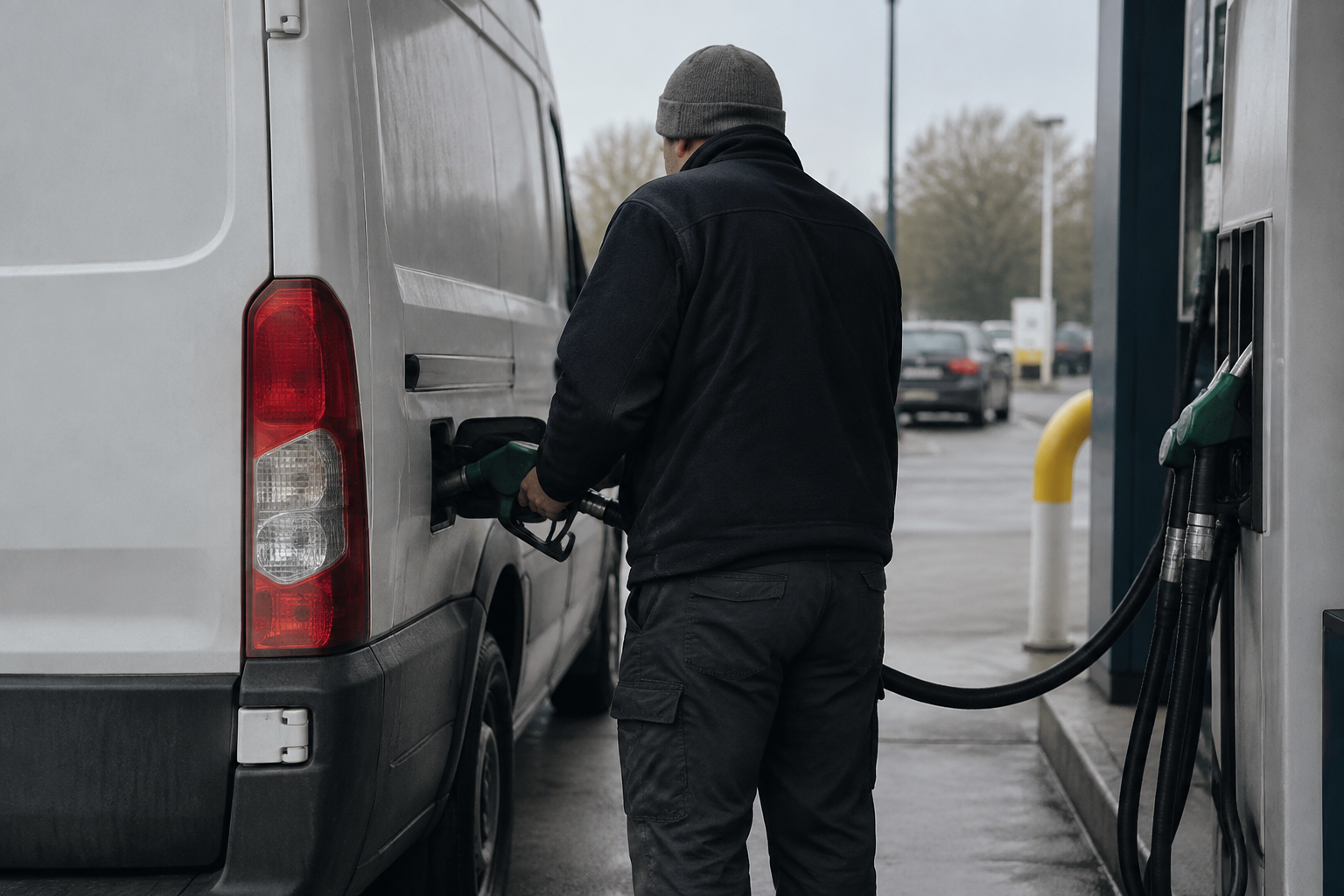
The US supplies about a third of UK diesel imports, leaving businesses exposed to further fuel-cost increases as diesel reaches 199.18p a litre.
28 Sept