
Expansion Funding
Light Frame raises $5.1m to grow wealth software business in EMEA
The Swiss-American startup will develop its banking platform and expand its commercial team across Europe, the Middle East and Africa.
10 Nov

The daily brief on companies, capital and policy moving into the UK and Europe.
The Oxford spin-out will build demonstrator facilities, recruit staff and expand partnerships for a process that avoids highly hazardous hydrogen fluoride.

By Tomás Ferreira, Europe Correspondent · Berlin
5 November 2026 · Reported from EU-Startups
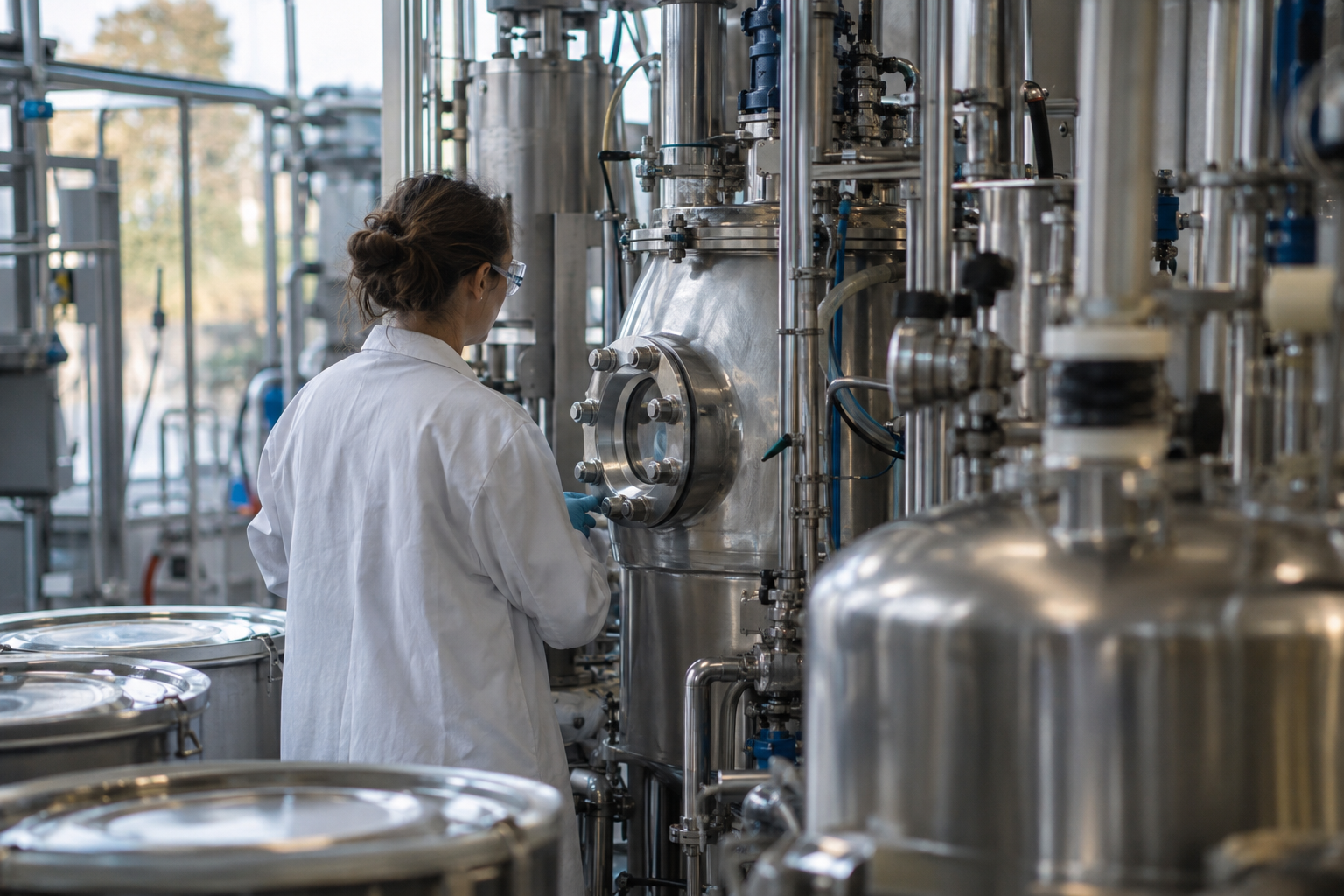
Oxford-based FluoRok has secured a €26.64 million ($30 million) Series A financing package to take its alternative fluorochemical manufacturing technology towards industrial production, EU-Startups reports. The company’s patented process eliminates the use of hydrogen fluoride, a highly hazardous chemical used in conventional manufacturing.
Orano Ventures Fund/Supernova Invest led the financing, with Bidra Innovation Ventures joining the investor group. According to EU-Startups, returning shareholders included Oxford Science Enterprises, BGF, GGF, Volta Energy Technologies and the University of Oxford.
FluoRok said the fundraising surpassed its target. EU-Startups also named EverQuest Capital Partners, CPI Enterprises and WS Investment among the smaller participants, alongside several angel investors. The announced package includes approximately €1.15 million ($1.3 million) in Innovate UK grants through its Investor Partnerships programme.
The financing follows €12.43 million ($14 million) raised in earlier rounds, EU-Startups reports. Separately, the outlet puts FluoRok’s cumulative UK and European public funding at more than €11.54 million ($13 million), giving the business a funding history that combines private investment with public support.
Founded in 2022 as a University of Oxford spin-out, FluoRok is targeting manufacturers in pharmaceuticals, agrochemicals and lithium-ion batteries. EU-Startups identifies these as markets that depend on fluorochemicals but face concentrated supply and significant production hazards.
The established manufacturing route dates back roughly 250 years and requires high-purity fluorspar, predominantly supplied from China, according to EU-Startups. That dependence exposes producers to raw-material sourcing and cost risks alongside the safety challenges of handling hydrogen fluoride.
FluoRok’s alternative combines mechanical activation with base chemistry to extract fluorine from lower-grade minerals and industrial waste containing fluoride. EU-Startups reports that the process operates under controllable conditions, broadening the range of materials that can serve as feedstock rather than relying on the conventional high-purity input.
The platform uses standard industrial equipment, according to the report. That offers a practical advantage for expansion: FluoRok can build around machinery already available to industry rather than requiring an entirely bespoke equipment supply chain.
The company says it has completed pilot qualifications and that more than ten partners are validating its products across eight countries on three continents. Those figures, reported by EU-Startups, show the international reach of its testing activity; they are not disclosed sales or revenue figures.
Florian de Beauchaine, investment manager at Orano Venture Fund/Supernova Invest, linked the investment to the fund’s interest in industrial technologies that strengthen supply autonomy and sustainability. In comments reported by EU-Startups, he cited FluoRok’s pilot-scale performance as a basis for backing the business at its next stage.
De Beauchaine also argued that removing hydrogen fluoride addresses a problem shared across the fluorochemical industry, rather than a narrow application for an individual customer. His assessment positions the technology as a potential response to both manufacturing safety and supply constraints, according to EU-Startups.
Founder and chief executive Dr Gabriele Pupo presented improved economics as an ambition alongside safer chemistry. EU-Startups reported that Pupo attributed investor support to the technology, customer engagement and the team’s execution, although the supplied material gives no quantified comparison of production costs.
FluoRok plans to spend the new capital on demonstrator facilities for its reagents and battery electrolyte salts, EU-Startups reports. Recruitment and closer commercial partnerships are also priorities as the company works towards becoming an industrial-scale manufacturer. The supplied reporting does not specify facility locations, capacity or commissioning dates.
The product roadmap includes scaling the platform for LiFSI and FEC, which EU-Startups identifies as next-generation battery products. This gives the expansion a defined battery-sector focus alongside the company’s wider pharmaceutical and agrochemical markets.
FluoRok also intends to develop a waste-to-value operation that converts fluorinated polymer waste into high-value chemical intermediates. More than 25,000 tonnes of this waste is incinerated annually in Europe alone, according to EU-Startups, providing a potential feedstock opportunity for the platform.
For manufacturers entering or expanding in the UK and Europe, the commercial question is whether that broader feedstock base can become a dependable source of qualified chemical inputs at industrial volumes. Pilot progress and partner testing are established milestones; delivery schedules, output capacity and customer pricing remain undisclosed in the supplied reporting.
For companies building pharmaceutical, agrochemical or battery operations in the UK and Europe, chemical sourcing is part of expansion planning. FluoRok’s approach could widen feedstock options while removing hydrogen fluoride from its manufacturing route. The financing supports the facilities and staffing needed to pursue that opportunity. Buyers will still need evidence of reliable industrial output and product qualification before treating the technology as an established supply option; the reported partner validation work is a step towards that goal.
Source
Original reporting by EU-Startups. This report was written independently for Market Entry Wire.
The Swiss-American startup will develop its banking platform and expand its commercial team across Europe, the Middle East and Africa.
10 Nov

Practica Capital led the round, with Inventure participating, as Roleo targets European technology professionals and develops broader career support.
02 Nov

The Spanish orthodontics group will invest in its AI platform and deepen its presence in Germany, the Netherlands and the UK.
27 Oct
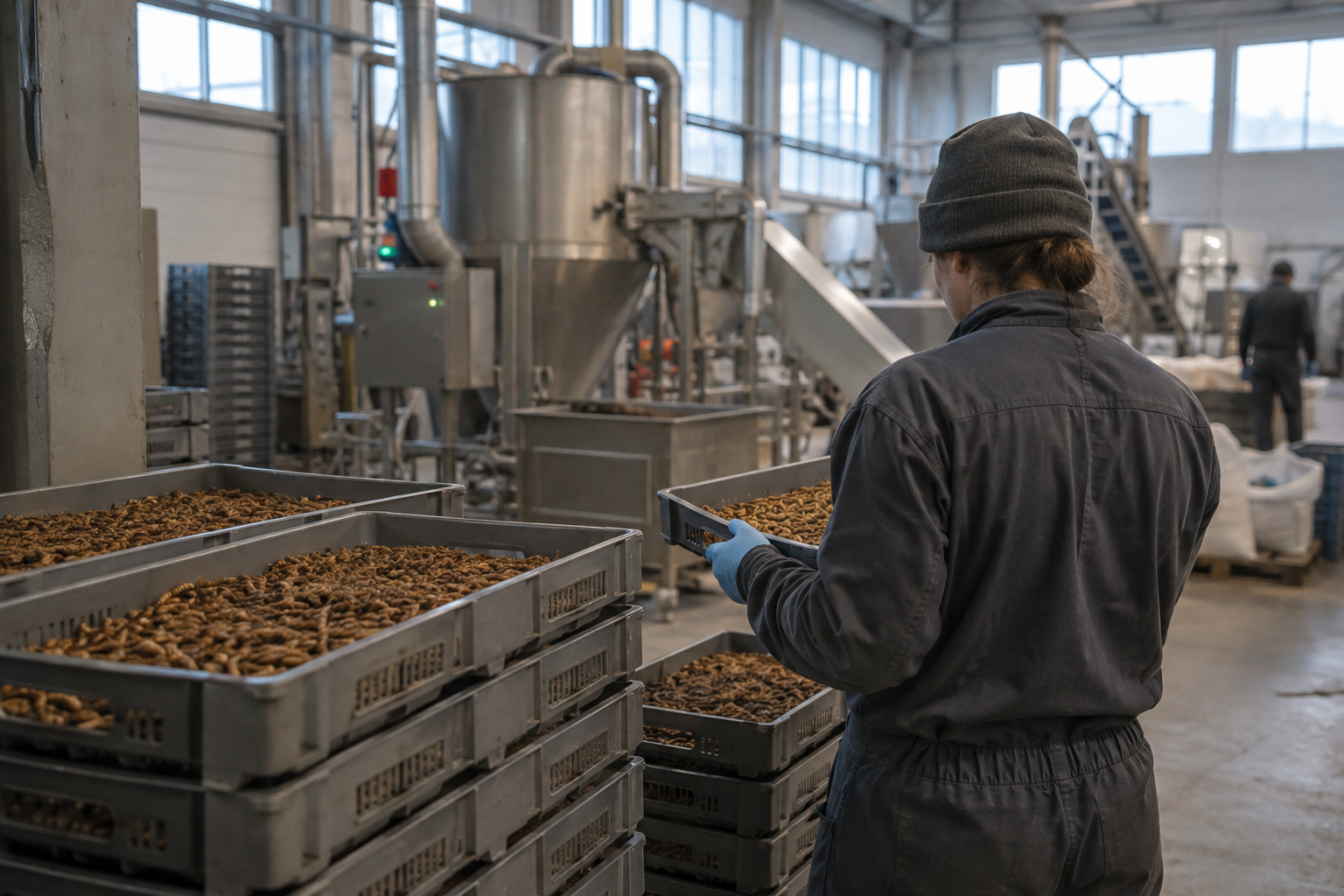
The Finnish insect-protein producer has completed a €15m plant in Pori and secured fresh funding to increase output and prepare further factories.
26 Oct

Online retailers face fines of up to 10% of worldwide turnover for pricing breaches as the CMA presses businesses to disclose compulsory delivery fees upfront.
11 Nov

Assessments taking 31 minutes or several hours expose a data-readiness gap as brands face growing demands for evidence about their supply chains.
08 Nov

Europe’s proposed MEDIA+ budget would more than double existing funding, but national financing rules and territorial rights still constrain cross-border releases.
07 Nov

Circana figures reported by Cosmetics Business show European prestige body care gaining ground as brands bring facial skincare ingredients into body treatments.
05 Nov