Retail & Consumer Brand Expansion
Boots £7bn ownership deal puts UK store upgrades in focus
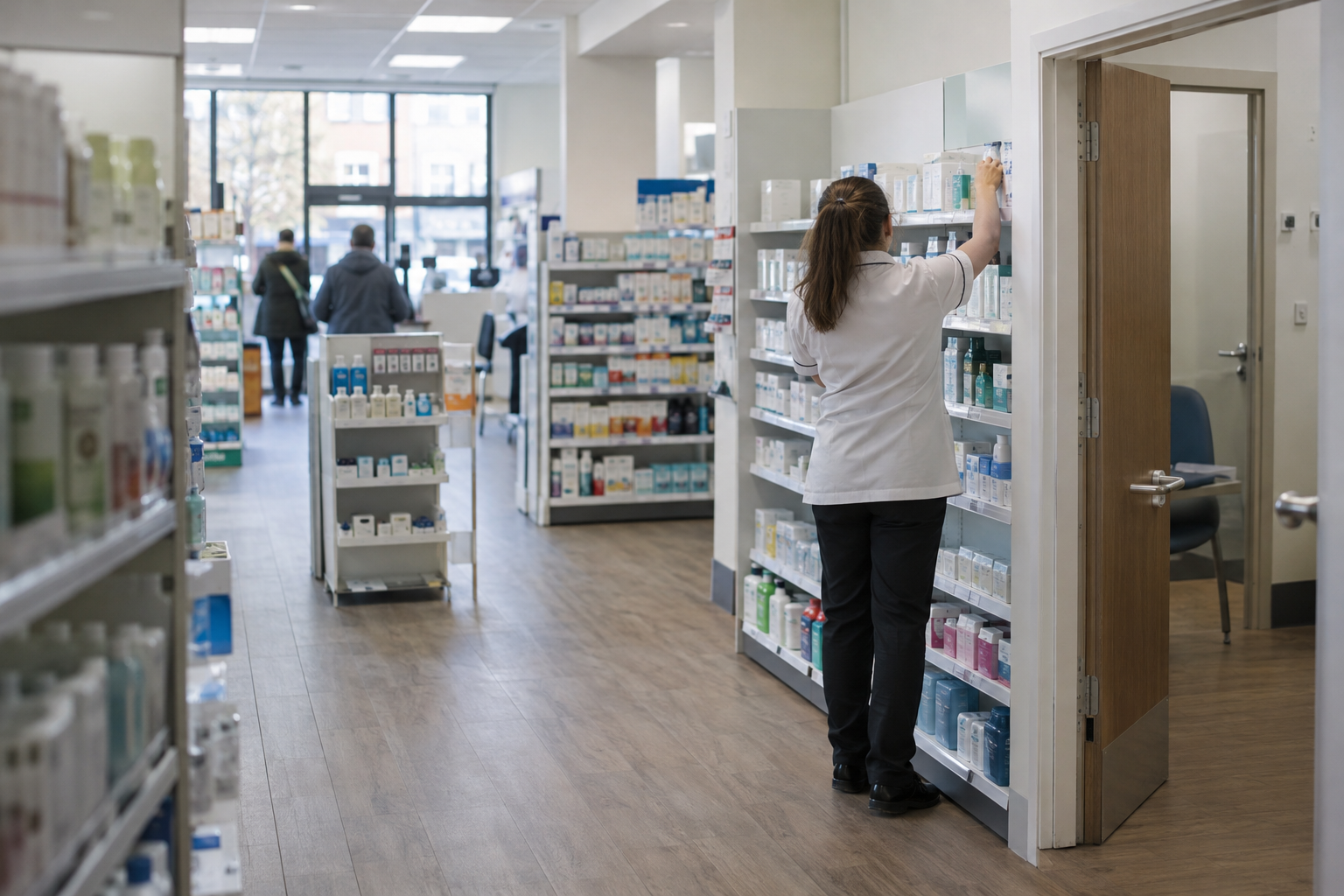
Wittington Investments plans to improve Boots’ 1,800-store estate and expand healthcare services as the retailer prepares for new ownership.
10 Oct

The daily brief on companies, capital and policy moving into the UK and Europe.
Primark has bought a Sheffield warehouse for its planned British home delivery service, opening a new sales channel as online fashion competition intensifies.

By Marcus Doyle, North America Correspondent · Toronto
16 October 2026 · Reported from BBC Business
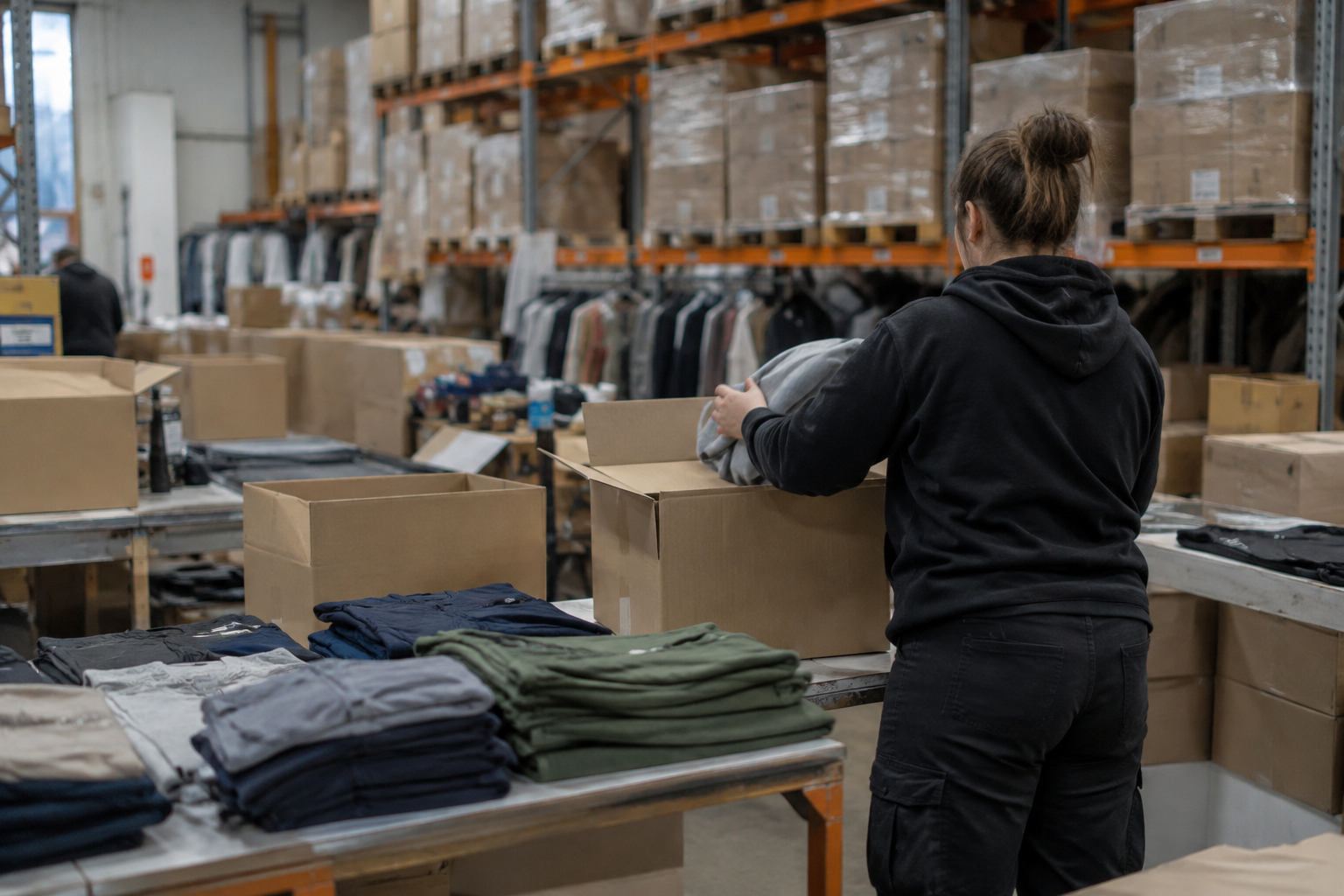
Primark plans to introduce home delivery in Britain and has bought a warehouse in Sheffield to support the service, BBC Business reports. The move will give customers a way to receive purchases without visiting a shop, extending the retailer’s reach to shoppers who find store visits inconvenient or difficult.
Analysts interviewed by BBC Business see the decision as evidence of growing pressure from ultra-fast-fashion competitors such as Shein. For Primark, the expansion means competing not just on clothing and price, but also on the convenience of getting purchases to customers’ doors.
Primark resisted online selling even during the Covid-19 pandemic, when its shops were closed. It introduced click-and-collect in 2022, according to BBC Business, allowing customers to order online but still requiring them to travel to collect their purchases.
The market has shifted substantially since before the pandemic. Office for National Statistics figures cited by BBC Business put online sales at 27.3% of total retail sales in the August covered by its report, compared with 18.1% in August 2019. That represents an increase of 9.2 percentage points.
Physical retail also faces a challenge in attracting visitors. Market Entry Wire has separately reported that UK retail visits fell 2.9%, with shopping centres losing ground. That provides a wider backdrop for retailers deciding how much of their growth should depend on customers making a trip to a store.
BBC Business’s interviews suggest the appeal of online shopping extends beyond price. Clothing size availability, physical accessibility and the changing mix of town-centre shops all influence whether consumers choose to buy in person. Those factors give home delivery a potential role in reaching customers poorly served by a store-only offer.
Jess, a 29-year-old culture journalist and author from Peterborough, told BBC Business that inconsistent size ranges make shopping in person discouraging for her as a plus-size woman. She identified Primark as one of the few high street retailers where she can shop, saying its stores generally carry clothes up to size 22 in her experience.
For Jess, ordering online also avoids the time involved in parking and trying on clothes. She finds posting unsuitable purchases back easier than returning them to a shop, while regular trips to her local post office provide social contact. Her account shows that delivery and postal returns need not mean abandoning local services altogether.
The loss of John Lewis in Peterborough has also reduced Jess’s reasons for visiting the town centre, she told BBC Business. Her experience points to a challenge for individual retailers: the attraction of a shopping trip can depend on the surrounding businesses, not simply the strength of one store’s offer.
Julia Mitchell, a 32-year-old content creator living near Chichester, told BBC Business that clothes shops can feel overstimulating and that finding the best price matters more to her than examining products in person. She buys mainly second-hand through Vinted as part of an effort to shop ethically. Books are an exception: she values bookshops for their cultural and community role.
Sandra Davies, 61, from Sheffield, shops entirely online after having three strokes. She told BBC Business that walking around shops is physically difficult and that she collapsed on two occasions after standing in queues for more than ten minutes. Delivery brings its own anxiety, however, because she worries about missing the postal worker and needing to rearrange a visit.
Retail analyst Julie Palmer told BBC Business that Primark’s decision reflects the scale available through online selling. She argued that its returns arrangements will be central to winning customers, who expect free and straightforward returns, ample time to send goods back, a choice of drop-off locations and prompt refunds.
Primark has not announced when British home delivery will begin, BBC Business reports. The Sheffield warehouse purchase is the concrete preparation identified in the reporting; customers therefore have a planned service to look forward to, but no confirmed launch date on which to base their shopping plans.
Returns will bring a financial trade-off alongside the opportunity to grow. BBC Business notes that some retailers, including Asos, have introduced charges for customers who return purchases frequently. Palmer cautioned that such fees can send shoppers to rivals, making the recovery of handling costs a potential risk to future sales.
Palmer also highlighted why many retailers that charge for postal returns still accept returns free in stores: the visit creates another opportunity for a purchase. For businesses expanding across the UK, this gives the physical estate a possible role beyond selling and collection, connecting an online transaction with a subsequent shop visit.
For companies entering the British market, the customer accounts carry a practical implication: delivery convenience does not remove the need to design for accessibility. Size availability, manageable return journeys and the demands of receiving parcels affect different shoppers in different ways. An online channel can broaden access, but the service around the purchase will help determine who can use it comfortably.
Primark’s move highlights a market-entry question for consumer brands: which customers cannot easily use a physical store? BBC Business’s interviews identify barriers involving clothing sizes, mobility and the shopping environment. Home delivery offers another route to those customers, while returns introduce costs and service expectations that businesses must address. For companies expanding into Britain, planning distribution and returns together can help turn wider availability into a service shoppers are willing to use again.
Source
Original reporting by BBC Business. This report was written independently for Market Entry Wire.
Wittington Investments plans to improve Boots’ 1,800-store estate and expand healthcare services as the retailer prepares for new ownership.
10 Oct

Hailey Bieber’s beauty brand is widening its European reach through Sephora, supported by exclusive products, store installations and a Paris café pop-up.
01 Oct
Aldi is backing UK expansion after sales reached £19bn, while its chief executive challenges rivals’ loyalty pricing despite watchdog findings of genuine savings.
28 Sept
Schwarz Group is reportedly preparing an offer as Tesco pursues a Central European sale covering a division with £4.5bn in annual revenue.
27 Sept

Seedcamp led the Oslo company's pre-seed round as Solvera prepares to bring its AI-led building engineering business to London.
15 Oct

The AI infrastructure company’s Series D values it at $15.75bn, as its new London operation recruits commercial teams to support European expansion.
15 Oct

Orbit Capital is providing venture debt to the Polish education business as it targets further growth in the US, Mexico and Spain.
14 Oct

Former Starling executive Damian Thompson is due to join LHV Bank on 4 January 2027, bringing experience of scaling mortgage and SME lending.
13 Oct