
Trade, Regulation & Policy
CMA warns UK retailers over compulsory delivery fees
Online retailers face fines of up to 10% of worldwide turnover for pricing breaches as the CMA presses businesses to disclose compulsory delivery fees upfront.
11 Nov

The daily brief on companies, capital and policy moving into the UK and Europe.
A draft UK-EU food trade agreement would remove costly certificates and reopen export routes, with ministers forecasting £5.1bn in eventual annual economic benefits.

By Marcus Doyle, North America Correspondent · Toronto
3 November 2026 · Reported from BBC Business
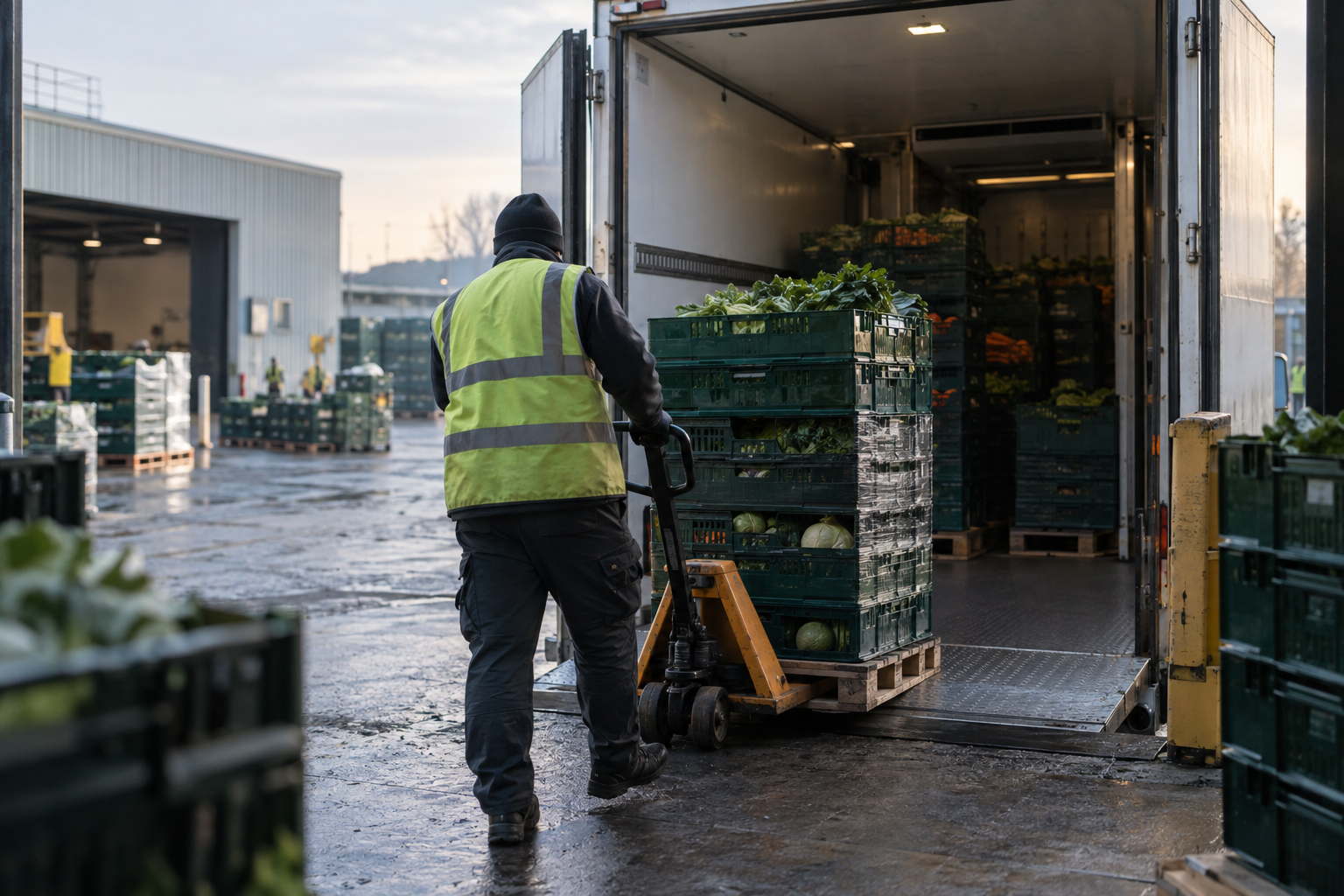
The UK and EU have agreed a draft food and agriculture trade deal ahead of their summit later this month, BBC Business reports. The proposed sanitary and phytosanitary agreement, known as SPS, would dismantle a range of post-Brexit border requirements. The UK government estimates that the economy would eventually gain £5.1bn a year from the changes; that figure is a forecast, not a benefit already secured.
For businesses trading between the UK and EU, the proposed savings extend beyond paperwork. According to BBC Business, the agreement should eliminate the requirement for Export Health Certificates costing £200 and phytosanitary certificates costing £25. Inspector charges, organic certification, sampling costs and some port fees would also be removed, reducing several separate expenses attached to moving agricultural goods across the border.
The agreement would reopen EU markets to UK exports of fresh sausages, burgers, seed potatoes and shellfish from domestic waters, BBC Business reports. For suppliers in those categories, the commercial opportunity is therefore not simply a lower cost of serving existing customers: it is the ability to resume sales that the current arrangements prevent.
Pet travel is also covered. BBC Business reports that the agreement would allow passports for UK pets travelling into the EU, extending the proposed changes beyond commercial food shipments to animal movements associated with personal travel.
The negotiations address barriers introduced when the UK left the EU single market. BBC Business describes the food agreement as the most substantial element agreed so far in the wider effort to reset relations. The trade settlement negotiated by Boris Johnson's government placed greater weight on the UK's ability to set its own regulations than on avoiding additional border administration and delays.
Under the new draft, the UK would accept existing EU requirements for food, animal and plant trade and adjust as those requirements change. This approach, called dynamic alignment, makes continuing regulatory compatibility part of the bargain for easier access. For companies operating across both markets, the relevant standards would therefore not be fixed permanently at the point the agreement takes effect.
Although UK and EU rules remain broadly similar, England has taken a different approach in some areas, including precision breeding of plants, previously described as gene editing. BBC Business reports that transitional arrangements have been agreed in recent weeks while new EU regulations come into force. That gives agricultural biotechnology a specific place in the negotiations rather than treating all food standards as already identical.
The UK government has announced a European Partnerships Bill to create a legal route for applying new EU rules. According to BBC Business, it would also enable the regulatory alignment required to connect the UK and EU emissions trading systems, avoiding the need for UK exporters to pay the EU's new carbon border tax. The proposal sits alongside the wider customs-readiness questions raised by EU carbon border rules.
Supermarkets and farming representatives have supported the food trade proposals, while some pro-Brexit campaigners oppose the renewed application of EU rules, BBC Business reports. Their contrasting positions put the central policy choice in focus: whether reducing friction at the border justifies limiting the scope for separate UK regulation.
Business demand for change extends beyond food. In a British Chambers of Commerce survey reported by BBC Business, 56% of exporting businesses wanted EU customs paperwork and delays removed to support growth. Among manufacturers, the proportion was 58%. The findings concern customs obstacles more broadly, rather than measuring support specifically for the draft SPS agreement.
In analysis released on Monday, the BCC argued that the existing trading relationship was not meeting businesses' needs and that firms still faced extensive Brexit-related administration nearly six years after the UK's departure. It presented nine possible approaches to a closer relationship, including a customs union, a Swiss-style single-market arrangement and what it described as a Canada-model associate membership, according to BBC Business.
The BCC also highlighted economic analysis indicating that rejoining the single market or the EU would deliver the largest long-term gains. It asked the government to examine and publish the available options while the organisation consults its members. Those proposals go substantially further than the sector-specific agreements now being prepared for the summit.
Shevaun Havilland, the BCC's director general, welcomed the prime minister's decision to open a discussion about the future relationship, BBC Business reported. She urged ministers to assess the trade-offs of each option and involve businesses from the beginning, making consultation part of the process rather than seeking industry views only after a preferred model has been chosen.
The next formal stage is consideration by EU ambassadors at Wednesday's Coreper meeting. BBC Business understands that the 200-page SPS draft has been circulated to EU member states in Brussels, alongside draft agreements on emissions trading and a youth travel and work scheme. A separate 15-page draft joint statement has also been prepared for UK and EU leaders.
Some elements still require political decisions. BBC Business reports that participation numbers for the proposed Youth Experience Scheme are expected to be settled in the coming days. A possible reduction in the full international tuition fees charged to EU students is likely to be deferred until next year, together with plans to reconnect electricity markets.
The package is also expected to refer to UK participation in defence cooperation schemes, access to law-enforcement databases and reassurances concerning the EU's Made in Europe plans, according to BBC Business. These subjects broaden the negotiations beyond border procedures into security cooperation and the terms on which UK businesses might participate in European industrial initiatives.
For food companies planning UK or EU expansion, the immediate distinction is between a negotiated draft and an operating trade regime. BBC Business's report does not provide an implementation date. Businesses can assess the potential value of reopened product markets and lower certification costs, but should not treat those requirements as already withdrawn when pricing shipments or committing to delivery schedules.
For companies entering the UK or EU food market, the draft agreement could change both the cost of cross-border trade and the products they can sell. Removing certification requirements would reduce administrative expenses, while reopening restricted export categories would create opportunities to rebuild customer relationships. Those gains would come with continuing alignment to EU standards. Businesses assessing expansion should distinguish the government's projected £5.1bn annual economic benefit from their own potential savings, and keep implementation timing central to their plans: the agreement remains a draft.
Source
Original reporting by BBC Business. This report was written independently for Market Entry Wire.
Online retailers face fines of up to 10% of worldwide turnover for pricing breaches as the CMA presses businesses to disclose compulsory delivery fees upfront.
11 Nov

Foreign suppliers winning UK defence contracts worth more than £50m would have to match their value with British investment under rules starting in April 2027.
01 Nov

Temu’s plan to address EU risk assessment failures has been accepted, but regulators want closer scrutiny of gaps and an independent audit of implementation.
27 Oct

Online marketplaces could take responsibility for sellers’ VAT as the Treasury weighs measures that together could raise about £3.5bn a year, BBC Business reports.
25 Oct

The Swiss-American startup will develop its banking platform and expand its commercial team across Europe, the Middle East and Africa.
10 Nov

Assessments taking 31 minutes or several hours expose a data-readiness gap as brands face growing demands for evidence about their supply chains.
08 Nov

Europe’s proposed MEDIA+ budget would more than double existing funding, but national financing rules and territorial rights still constrain cross-border releases.
07 Nov

Circana figures reported by Cosmetics Business show European prestige body care gaining ground as brands bring facial skincare ingredients into body treatments.
05 Nov