Manila trade talks set priorities alongside £5bn financing capacity
The UK and the Philippines have agreed a new programme to advance agricultural trade, energy cooperation and infrastructure development following ministerial talks in Metro Manila on 22 September 2026. According to GOV.UK DBT announcements, the second Joint Economic and Trade Committee meeting, known as JETCO, also identified potential partnerships in newer areas, including space and digital trade.
Infrastructure financing is a central opportunity for businesses. UK Export Finance (UKEF) has capacity of up to £5 billion for eligible projects in the Philippines. A financing framework scheduled for signature on 23 September would allow priority infrastructure projects proposed by the Philippine government to be considered for UKEF support. The figure represents available capacity, rather than funding awarded to particular projects.
Anas Sarwar, the UK minister of state for trade at the Department for Business, Innovation, Science and Trade, led the meeting alongside Allan B. Gepty, undersecretary at the Philippines’ Department of Trade and Industry. Business representatives met the two officials at a roundtable before the government talks, bringing commercial obstacles and investment priorities into the discussion.
A £3.1bn trading relationship with room to use existing preferences
Trade in goods and services between the two countries reached £3.1 billion over the four quarters ending in the first quarter of 2026, GOV.UK DBT announcements reported. UK exports accounted for £1.3 billion and imports for £1.8 billion, giving the Philippines the larger share of sales across the bilateral relationship.
An existing route into the British market is the UK Developing Countries Trading Scheme (DCTS). The statement recorded a 68% utilisation rate for the scheme in 2025 and identified scope to increase it. It also noted the introduction of less restrictive origin requirements for garments, a relevant change for Philippine clothing exporters assessing whether their goods qualify under the scheme.
Agriculture already has an established base of technical cooperation. The Philippines’ Department of Agriculture and the UK Department for Environment, Food and Rural Affairs have worked on precision breeding, antimicrobial resistance, fisheries and food safety. UK assistance has also supported Philippine regionalisation guidelines for African Swine Fever, which the statement described as important to safeguarding British pork exports.
Investment preparation is another existing strand. Work under the Growth and Investment Partnerships Framework has produced technical assistance through feasibility studies and policy development. These activities sit alongside completed cooperation on cybersecurity, regulatory reform and consumer protection, giving the new programme a foundation beyond negotiations over market access alone.
The relationship also operates through wider regional institutions. In 2026, the ASEAN-UK Dialogue Partnership reaches its fifth anniversary, while the Philippines holds the ASEAN chairship. The sixth consultation between ASEAN economic ministers and the UK produced a revised work plan and a new joint ministerial declaration, both welcomed at the Manila meeting.
Ministers back energy cooperation and closer business involvement
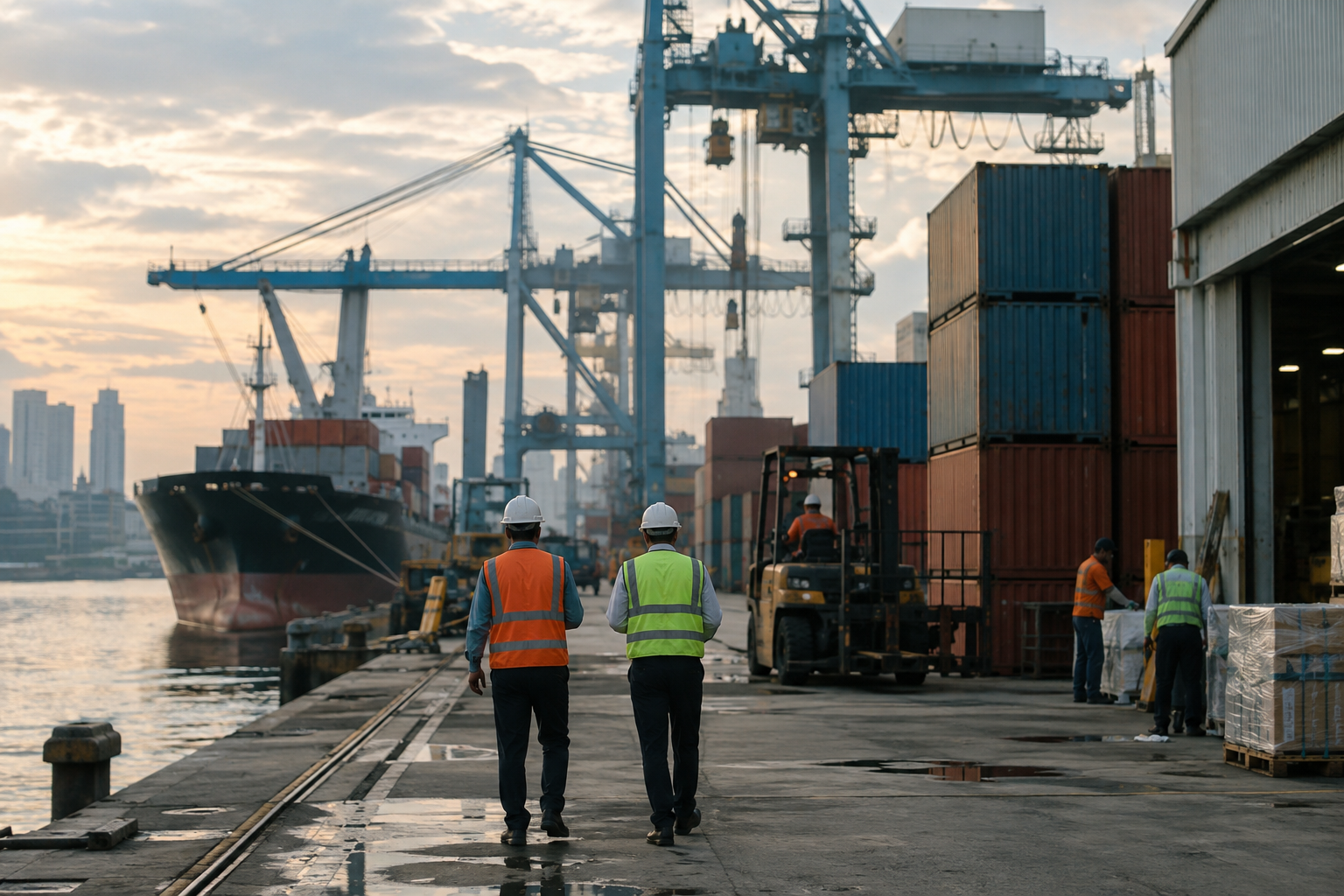
Energy security and the transition to different sources of power were shared priorities, according to the positions set out in GOV.UK DBT announcements. The two sides welcomed continuing British assistance with Philippine offshore wind policy and regulation, together with efforts to develop commercial opportunities around ports. That links the energy discussion to the infrastructure needed to support offshore projects.
The Philippines acknowledged the UK’s wish to renegotiate their Double Taxation Agreement. The stated purpose is to bring the treaty into line with current international standards and economic conditions. The announcement records British interest and Philippine acknowledgement, rather than an agreed timetable for negotiations or a completed tax arrangement.
Regional trade membership drew a separate response. The Philippines congratulated the UK on completing its Comprehensive and Progressive Agreement for Trans-Pacific Partnership accession process with Canada on 1 September 2026, finishing the process with every CPTPP party. It also welcomed British support for the Philippine application to establish an accession working group of its own.
The Philippine side additionally recognised UK backing for an ASEAN Centre of Excellence for Creative Industries. Establishing the centre is one of the Philippines’ priority economic deliverables during its 2026 ASEAN chairship, placing creative businesses within the broader regional cooperation agenda.
After hearing from companies at the pre-meeting roundtable, Sarwar and Gepty endorsed continued contact between government and industry. Their stated position was that business input should help identify practical opportunities to strengthen commercial ties, rather than leaving the relationship solely to exchanges between officials.
Sector groups face a 12–18-month delivery window
The agreed work is due to be carried out over the next 12–18 months by existing sector working groups, with participation from relevant public bodies and private-sector partners. GOV.UK DBT announcements said the programme could change as priorities develop, so its current scope is not a fixed list of future activities.
For agricultural businesses, the next steps include formalising a memorandum of understanding that would bring the various initiatives into one framework. Both countries also intend to pursue access for important agricultural exports and broaden technical work into aquaculture, biotechnology, animal and plant health, and farming adapted to climate pressures.
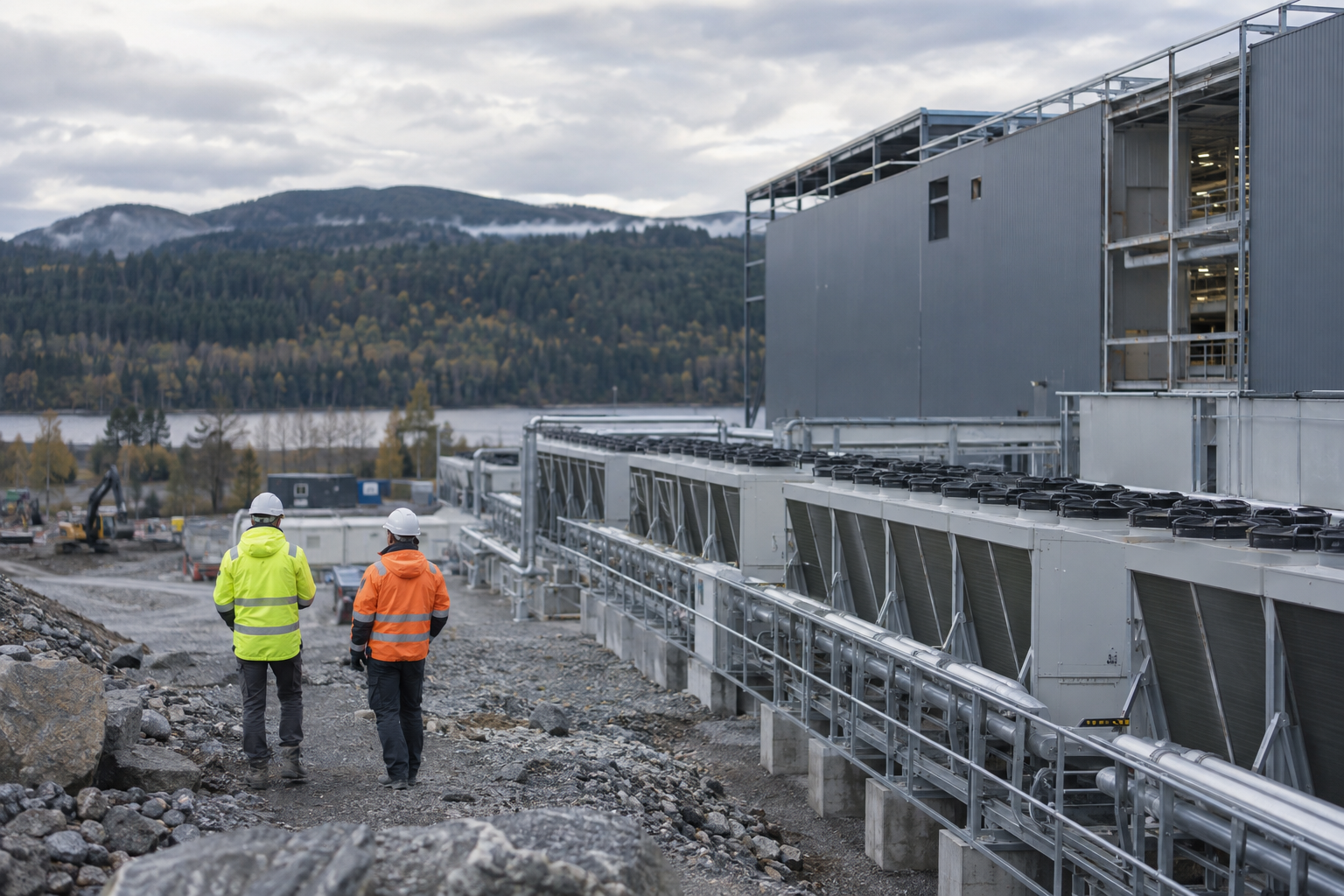
In power infrastructure, officials will examine possible civil nuclear cooperation, including the management of radioactive waste. Grid upgrades are another area for consideration, with smart grids and microgrids specifically identified. These remain subjects for assessment within the programme, not announced procurement awards or confirmed construction projects.
Philippine exporters seeking British customers are the target of newly launched initiatives combining trade promotion, introductions between businesses and technical exchanges about UK entry requirements. The emphasis is on helping exporters prepare to use the trading arrangements already available, rather than announcing a separate market-access agreement.
Further cooperation is planned on health technology assessment, while economic and financial policy exchanges will continue through the UK-ASEAN Economic Integration Programme. Senior officials will also hold regular discussions on regional and multilateral trade questions, including economic security and developments in green industries. For companies planning UK expansion, these are policy channels to monitor alongside the more immediate exporter-readiness work; the announcement does not establish a separate route into European Union markets.