
B2B Commercial Expansion
LHV Bank names Damian Thompson CEO for UK lending expansion
Former Starling executive Damian Thompson is due to join LHV Bank on 4 January 2027, bringing experience of scaling mortgage and SME lending.
13 Oct

The daily brief on companies, capital and policy moving into the UK and Europe.
Dermaself’s smart mirror matches shoppers with skincare stocked at Ipercoop Baragalla, bringing personalised advice to Italy’s largest cosmetics sales channel.

By Tomás Ferreira, Europe Correspondent · Berlin
23 November 2026 · Reported from Cosmetics Business
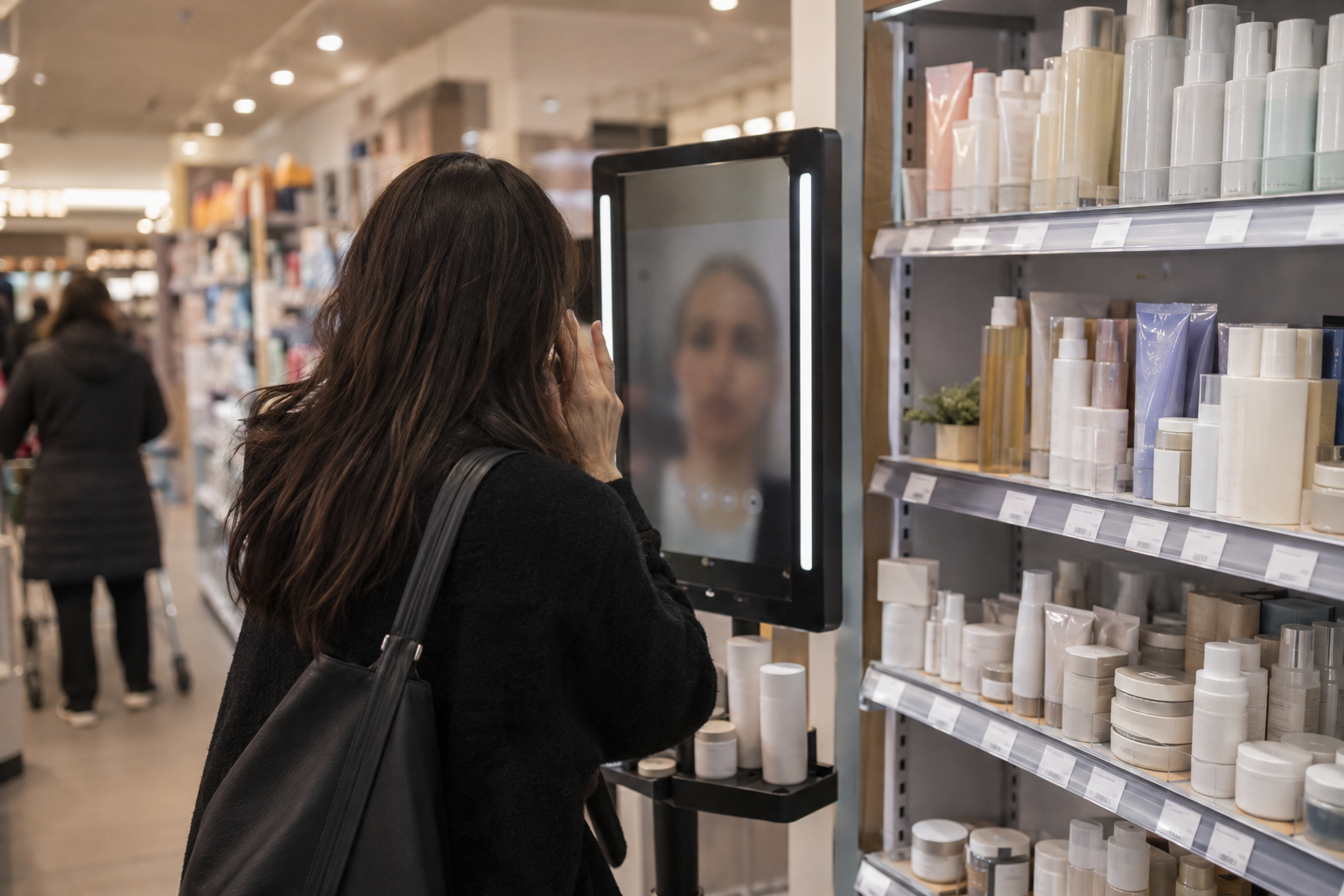
Dermaself has introduced an AI-powered mirror at Ipercoop Baragalla in Italy, giving shoppers skincare recommendations drawn from the supermarket’s own range, Cosmetics Business reports. The installation brings a digital advisory service into a retail channel where Italian cosmetics spending reached €4.49bn in 2024.
Customers can use the mirror without paying or booking. A photograph and brief questionnaire provide the starting information; the system then assesses the shopper’s skin and checks its findings against the ingredients in products available at that store. The output is a suggested routine for morning and evening use, rather than a recommendation to buy elsewhere.
Cosmetics Business reports that shoppers also receive their routine by email, accompanied by a store offer. That gives the service a role beyond the screen: customers can retain the recommendations after leaving the aisle, while the retailer has an opportunity to connect the advice with a purchase incentive.
The technology uses computer vision to interpret characteristics visible in the photograph. Dermaself’s assessment covers blemishes, wrinkles, pigmentation, pores, dryness, excess oil, under-eye darkness, reduced firmness and redness. These observations are used to guide cosmetic product selection, not to establish a clinical condition.
The spending figure comes from Cosmetica Italia’s Centro Studi, cited by Cosmetics Business, and includes supermarkets, hypermarkets, drugstores, discounters and self-service outlets. Measured at retail prices including VAT, that group generated more cosmetics spending in Italy in 2024 than either perfumeries, at €2.77bn, or pharmacies, at €2.22bn. The opportunity therefore extends beyond grocery chains alone.
Shopping behaviour helps explain the choice of setting. According to Cosmetics Business, customers in mass retail are particularly inclined to browse independently, but may choose skincare without understanding its composition or suitability. A tool placed in the aisle addresses that information gap where customers are already making buying decisions.
Dermaself developed its classification of skin characteristics with Derming, an independent clinical research institute in Monza with more than 30 years of dermatological research experience. Cosmetics Business reports that the classification was validated using over 100,000 clinical images assessed by board-certified dermatologists. That work provides the research foundation for the features the software recognises.
There is an established UK precedent for supermarket-based AI skincare advice. In 2022, L’Oréal Paris and Garnier introduced consultations using ModiFace technology at more than 100 Sainsbury’s supermarkets, according to Cosmetics Business. ModiFace belongs to L’Oréal and supplies AI and augmented-reality technology. The Ipercoop Baragalla service differs in its delivery, product selection and recommendation method; the source does not establish that either approach performs better commercially.
Dermaself also supplies its analysis through brand and retailer websites, in-store QR codes and tablets, and events. The mirror is therefore one deployment format within a broader offering, rather than the company’s only route to customers.
Dermaself’s stated rationale for ingredient-led recommendations is that supermarket shelves carry competing brands and differently formulated products at comparable prices, Cosmetics Business reports. Its approach starts with composition rather than brand identity, allowing the recommendation engine to work across the retailer’s assortment instead of restricting advice to one supplier’s catalogue.
The system uses INCI, the International Nomenclature of Cosmetic Ingredients: the standardised ingredient declarations required on cosmetics sold in the EU. Dermaself reads those declarations for the store’s products and compares them with the shopper’s assessment. For retailers, the practical requirement is a connection between product-level ingredient information and the recommendation service.
The project also sets explicit limits on what customers should infer from the results. Before using the service, shoppers are told that AI generates the output, that it is intended for cosmetic and informational use, and that it is not a medical or dermatological diagnosis, Cosmetics Business reports. The mirror does not substitute for advice from a doctor or dermatologist.
On privacy, Cosmetics Business reports that Dermaself handles the information collected through the mirror under its own privacy notice. Coop Alleanza 3.0 does not receive shoppers’ personal data. Its access is restricted to anonymised, combined statistics that do not identify individual users, separating the retailer’s commercial insights from personal customer records.
The coming months are expected to show how customers use the installation and what Ipercoop Baragalla can learn from it, according to Cosmetics Business. The supplied reporting gives no wider rollout timetable, sales uplift or usage figures. The commercial evidence still to emerge is therefore about adoption and usefulness at this location, rather than a demonstrated chain-wide result.
The retailer’s aggregate reports can reveal the skin concerns appearing most frequently and the products most often recommended. Over time, Cosmetics Business reports, those findings could support decisions about which lines to stock, how to arrange shelves and what to communicate in-store. This gives the project a potential merchandising application alongside its customer-facing function.
For companies entering UK or European beauty retail, the distinction is commercially useful: a store-based advice service must work with the products shoppers can actually buy there. The Baragalla installation offers a concrete model for connecting digital guidance with a local assortment, while its research basis, customer disclosures and division of data responsibilities identify issues prospective retail partners will need to examine.
For beauty technology suppliers entering European retail, the Baragalla project illustrates an offer built around the retailer’s existing stock rather than a separate product catalogue. Cosmetics Business reports that Italy’s mass-retail cosmetics channel attracted €4.49bn in spending in 2024, underlining the scale of the setting. Ingredient matching could help retailers make that assortment easier to navigate, while anonymised findings could support merchandising decisions. Wider commercial potential will depend on evidence of shopper use and retailer benefit; neither sales results nor a broader rollout schedule is reported.
Source
Original reporting by Cosmetics Business. This report was written independently for Market Entry Wire.
Former Starling executive Damian Thompson is due to join LHV Bank on 4 January 2027, bringing experience of scaling mortgage and SME lending.
13 Oct

Kesko’s €6.5bn grocery business will replace its legacy warehouse software with Manhattan’s cloud platform, with an initial rollout across five distribution centres.
13 Oct

German financing will support several tens of thousands of interceptor drones as Quantum Systems expands Ukrainian manufacturing, Tech.eu reports.
05 Oct
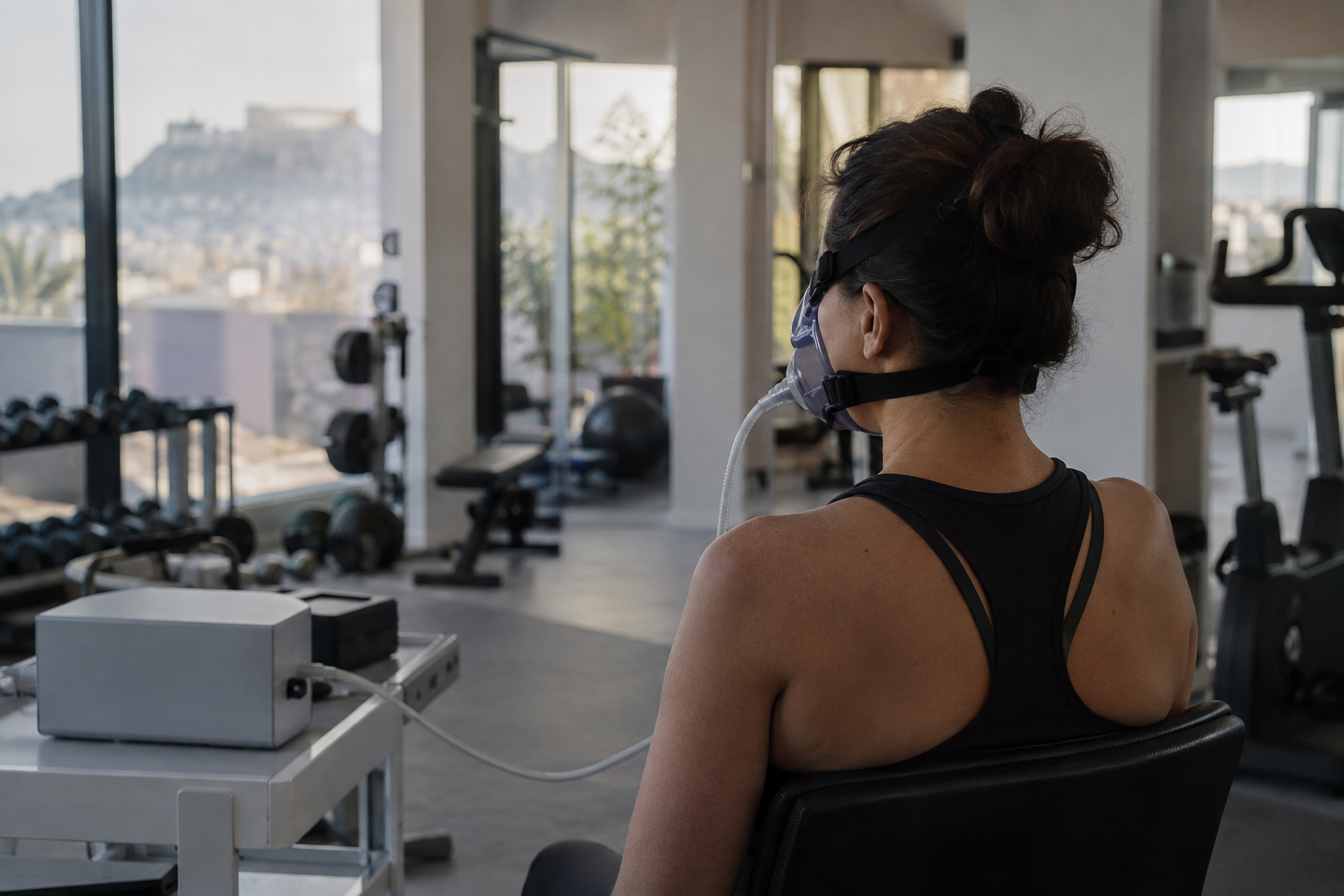
PNOĒ plans an October launch for its self-serve metabolic testing device as the US-focused business expands in Europe and through partners elsewhere.
27 Sept

Donald Trump has threatened to block overseas AI data centre construction by US companies, putting projects including Google’s €13bn Finland investment under scrutiny.
21 Nov
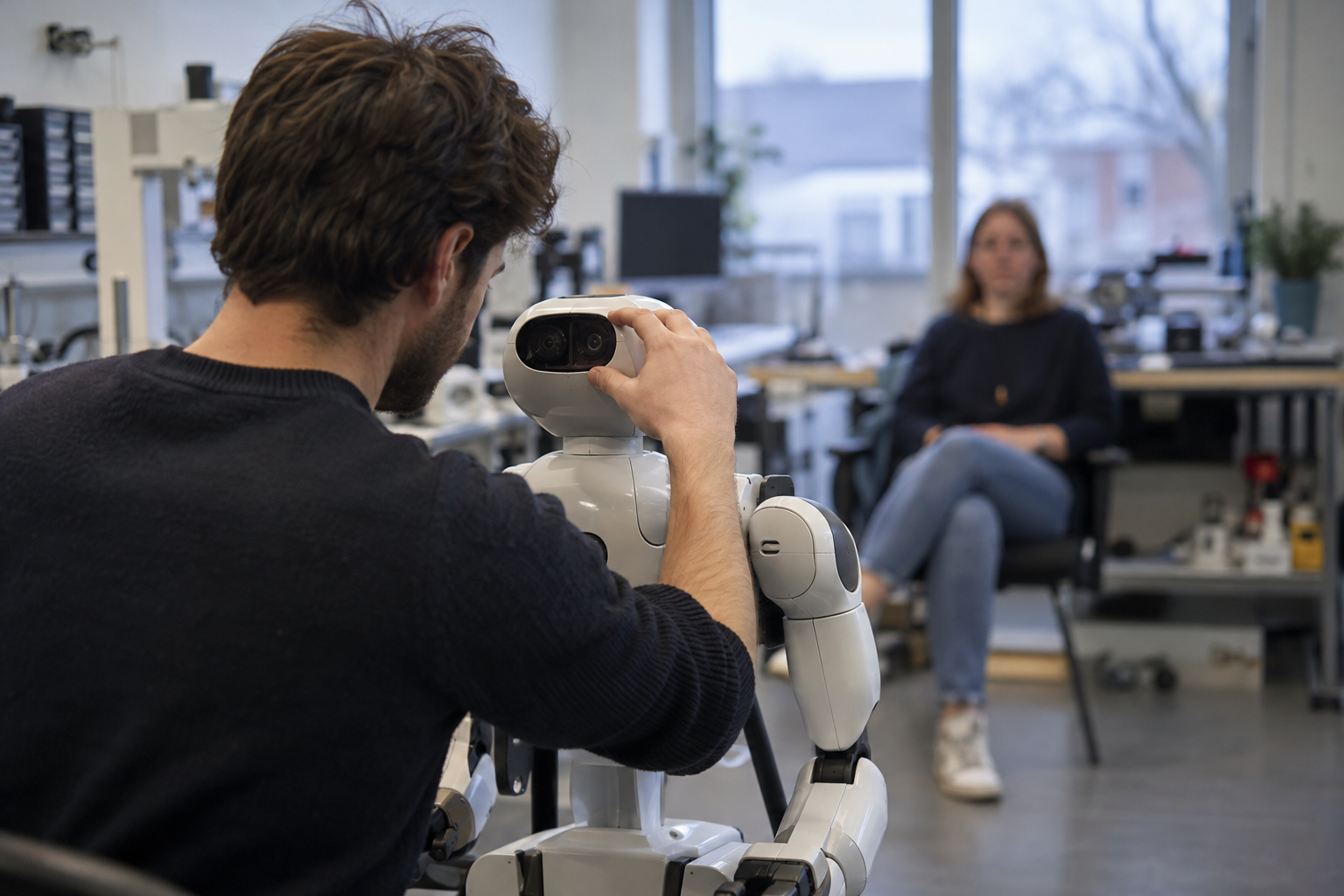
The Belgian healthtech company will develop camera-based monitoring for humanoid robots while pursuing EU medical device certification and overseas approvals.
19 Nov

Haatch leads the London startup’s seed round as Perry AI targets overseas growth and broader legal support for private equity and venture capital funds.
18 Nov

Helsinki-based Treat has secured pre-seed funding to develop its AI-assisted healthcare service and grow its employer offering in Finland and beyond.
17 Nov